 Pulseri

Getting feedback8 min read
Customer churn: what it is and how to calculate it
Customer churn is the share of customers who leave in a period. Learn the formula, a worked example and how low survey scores can warn you the same day.
Farsad F.Posts by Farsad F. on NPS, CSAT, CES and eNPS surveys, asking for feedback at the right moment, and acting on low scores.
Getting feedback8 min read
Customer churn is the share of customers who leave in a period. Learn the formula, a worked example and how low survey scores can warn you the same day.
Farsad F.
Scores and metrics6 min read
Customer loyalty is customers choosing you again and recommending you. Measure it by pairing one survey answer with renewals, shown in a worked example.
Farsad F.
Getting feedback7 min read
Customer retention is keeping the customers you have. See the meaning, the retention rate formula with a worked example and strategies for small teams.
Farsad F.
Scores and metrics6 min read
A customer satisfaction index (CSI) turns several satisfaction ratings into one 0 to 100 number. Learn the formula, weights and a worked example.
Farsad F.
Getting feedback5 min read
About 20 customer satisfaction questions sorted by moment, from the first week to cancellation, with a rule for picking one to three per survey.
Farsad F.
Getting feedback5 min read
Voice of the customer is what customers tell you, collected and acted on. See what it means and how a small team can start with a weekly review.
Farsad F.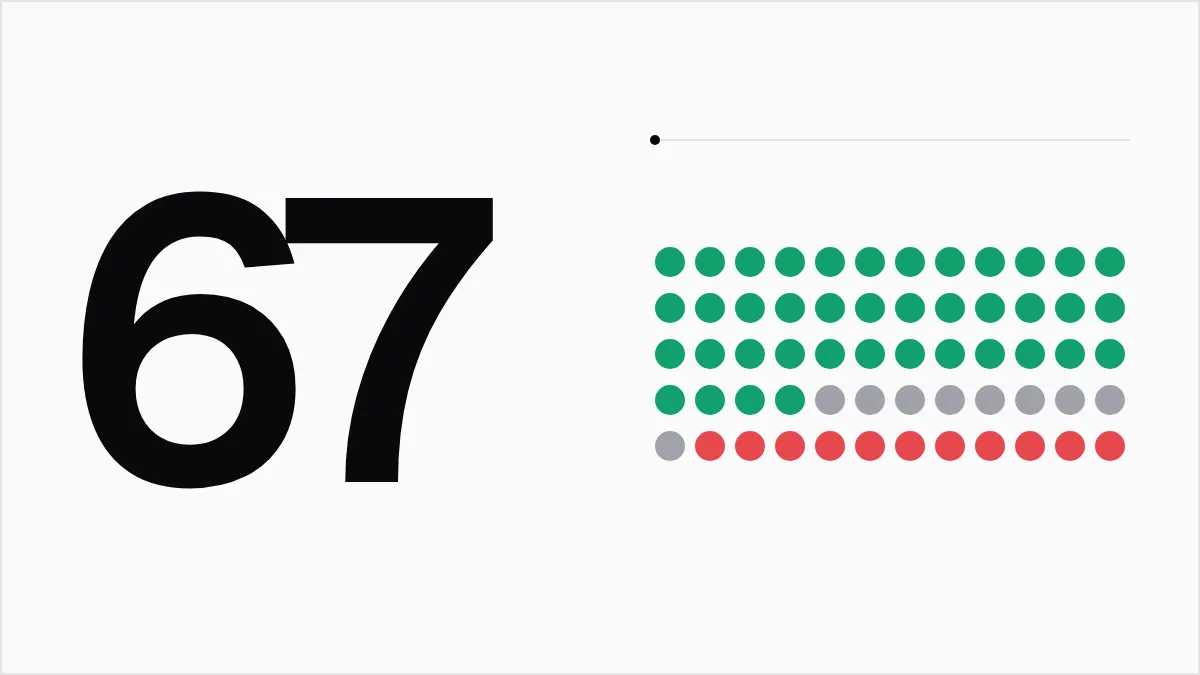
Scores and metrics6 min read
Customer satisfaction score is the share of people who rated a moment 4 or 5 out of 5. See the math worked through, and how scale and sample size change it.
Farsad F.
Getting feedback5 min read
A customer satisfaction survey is one short question sent right after a moment. Pick the moment, the length and the delay, then act on low scores.
Farsad F.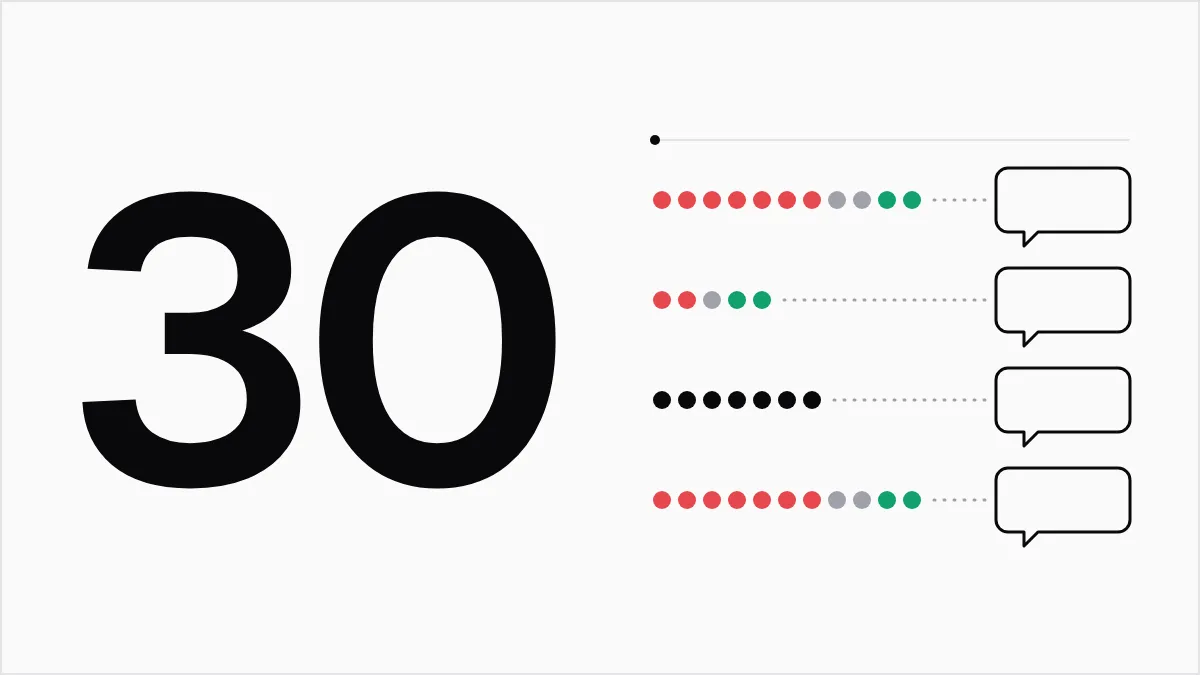
Getting feedback8 min read
Thirty open-ended survey questions sorted by the score they follow, when to ask each one, and how to read a few hundred answers on your own.
Farsad F.
Scores and metrics5 min read
Fifteen follow-up questions for promoters, passives and detractors, plus how many to ask, how to word them and what to do with the comments you get.
Farsad F.
Getting feedback5 min read
A form and a spreadsheet are enough for a small, one-time question. Learn the signs that you have outgrown them and what a feedback tool adds.
Farsad F.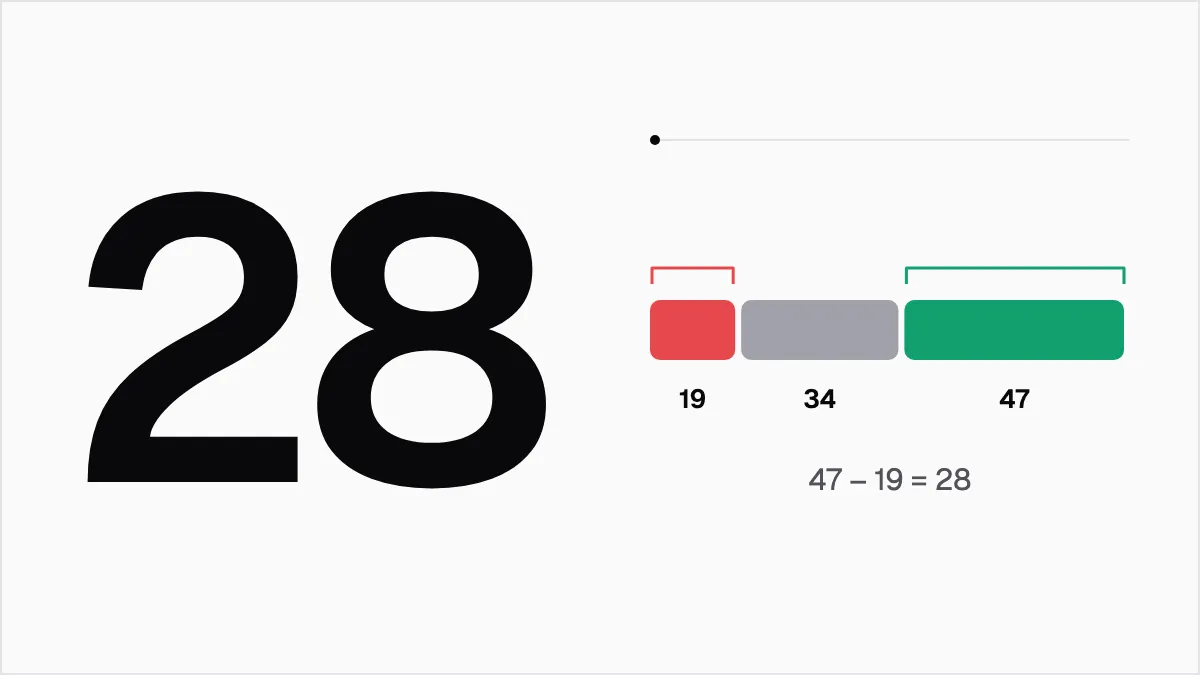
Scores and metrics5 min read
NPS is the share of promoters minus the share of detractors. Follow three worked examples, learn how rounding works and see how to score a 1 to 5 scale.
Farsad F.
Employee feedback5 min read
Ask one question, say how answers are used, read the score as a trend and act within two weeks. A plain plan for teams of about 20 people.
Farsad F.
Setup guides5 min read
Connect Zendesk to Pulseri, pick the Ticket solved event and send a CSAT survey with a short delay. Seven steps with the screens you will see.
Farsad F.
Setup guides5 min read
Connect Slack once, write one alert rule for NPS detractors and send a test message. A step by step guide with what the alert shows and how to keep it useful.
Farsad F.
Company5 min read
Many survey tools charge per answer. Pulseri charges by the People you track. Here is why, what it means for your bill and when it is not the best deal.
Farsad F.
Getting feedback3 min read
Ask the right person at the right moment, keep it to one question, and never ask twice too soon. A plain guide to avoiding survey fatigue.
Farsad F.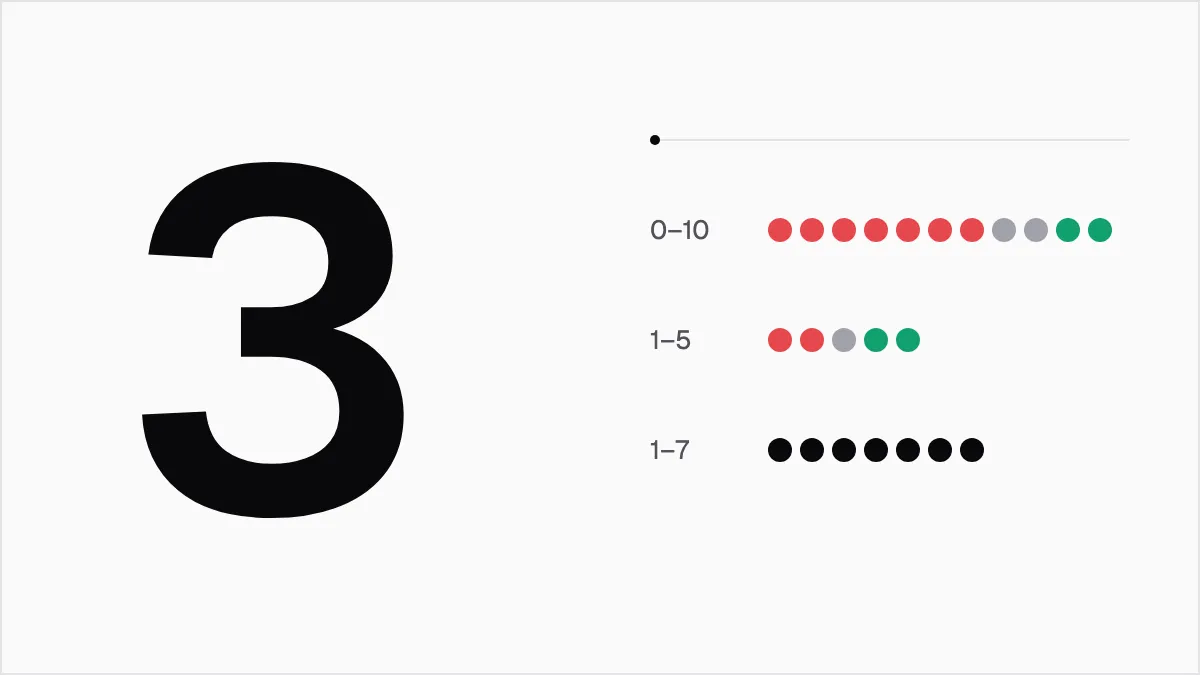
Scores and metrics4 min read
NPS measures loyalty, CSAT measures satisfaction with one moment, CES measures effort. Learn what each asks, how it is scored and when to pick it.
Farsad F.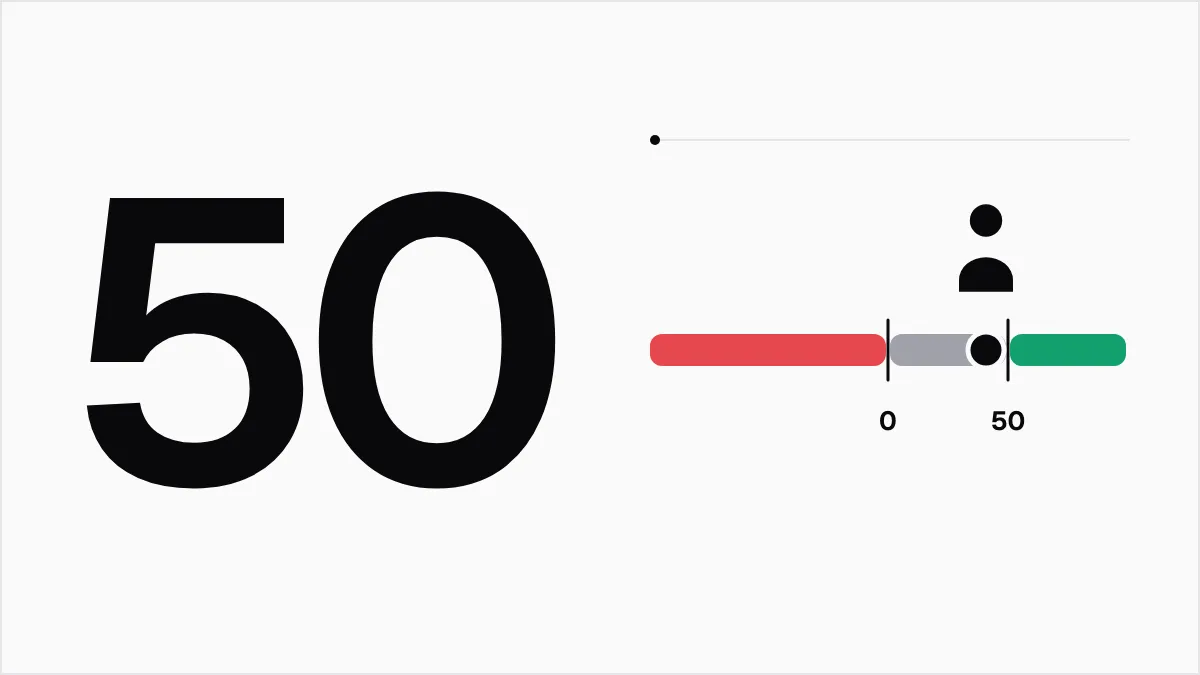
Scores and metrics3 min read
Any score above 0 is positive and above 50 is often called excellent, but your own trend matters more. Learn the bands, a worked example and common traps.
Farsad F.Pulseri asks the right person at the right moment and tells your team when a score is low.
Free for 14 days. Cancel any time before it ends.