 Pulseri

Customer loyalty means customers choose you again and tell others about you. You can check it with two signals: what they say (would they recommend you) and what they do (did they renew or buy again).
This post defines loyalty, shows how to pair those two signals, and walks through a worked example with made-up numbers. It is about loyalty as something you measure. Searches for "loyalty program" are a different topic, and this post does not cover them.
What customer loyalty is
One common definition is that customers consistently choose one company over its competitors. 1 The same source splits loyalty in two. Behavioral loyalty is what customers do, such as repeat purchases. Attitudinal loyalty is how they feel, such as trust and willingness to recommend. 1
Both halves matter because they can come apart. A customer can keep paying without liking you. Qualtrics points out that a high share of spending in areas such as mobile plans or insurance does not always mean loyalty, because contracts of a year or more, or not bothering to shop around, can explain it. 2 Call that staying out of habit.
The reverse also happens. A customer who would happily recommend you may leave because their budget changed or a project ended. That is a lost customer who was, in the attitude sense, loyal. The customer churn guide shows how to count the customers who leave.
How to measure it
Measure each half with the simplest tool that works.
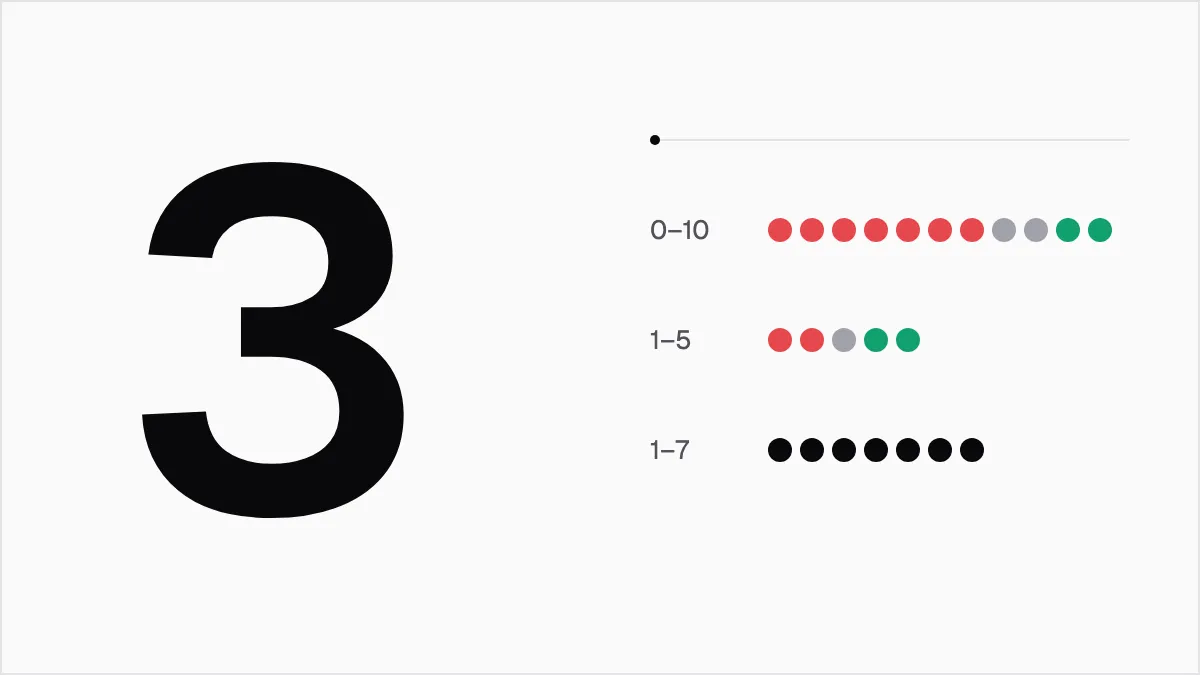
Stated loyalty is the answer to one question: how likely are you to recommend us to a friend or colleague? That is the NPS question, scored from 0 to 10. If you are new to the score, the NPS glossary entry explains the groups, and how to calculate NPS walks through the arithmetic. The NPS calculator does it for you.
Shown loyalty is a count of what customers did. For a subscription, that is whether each customer renewed. For a shop, it is whether they bought again within the period you care about. You probably have this data already in your billing tool or order list. Counting it as a rate is covered in the customer retention guide.
Large vendors list many more loyalty measures. Salesforce, for example, names NPS, a customer loyalty index, repeat purchase rate, retention rate, churn rate, referral rate and customer lifetime value. 4 Qualtrics and Zendesk give similar lists. 2 3 The lists are useful, but they stop at listing. For a small team, one survey answer next to one behavior is enough to start, and the next section shows how.
Other scores answer different questions. CSAT measures satisfaction with one moment and CES measures effort. NPS vs CSAT vs CES explains when to use each.
Worked example: 200 customers
Everything in this example is made up, to show the method. A software company with 200 customers sends the recommend question to all of them. Twelve months later it checks who renewed.
| Group | Customers | Renewed | Left |
|---|---|---|---|
| Promoters (9 or 10) | 90 | 81 | 9 |
| Passives (7 or 8) | 50 | 40 | 10 |
| Detractors (0 to 6) | 60 | 36 | 24 |
| Total | 200 | 157 | 43 |
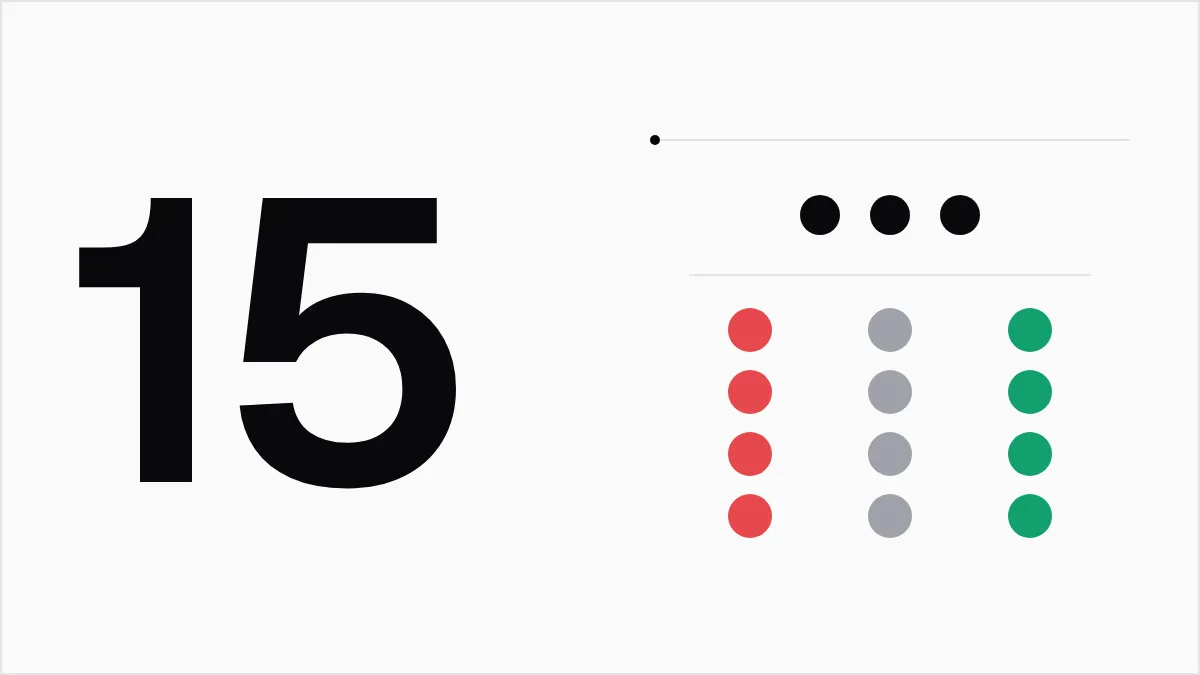
The NPS is 15, because 45% promoters minus 30% detractors is 15. Renewal is 157 out of 200, or 78.5%. Read alone, that is a fairly healthy renewal rate and a modest score.
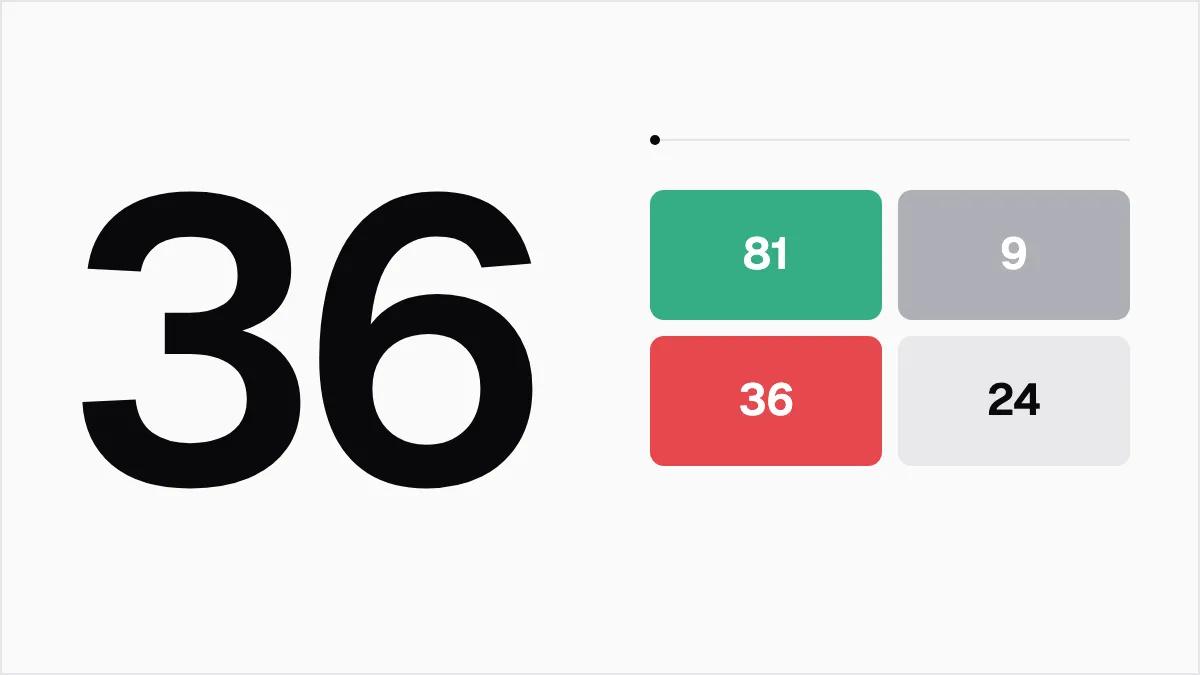
Put them together and the table tells a different story. The two groups at the ends of the scale make four cells:
| Renewed | Left | |
|---|---|---|
| Promoter (said yes) | 81: loyal | 9: said yes, did not stay |
| Detractor (said no) | 36: staying out of habit | 24: left, as the score predicted |
- 81 promoters who renewed are the loyal customers: they say it and they do it.
- 24 detractors who left are no surprise. The survey told you so.
- 9 promoters who left are the cheapest to win back. They liked you and something outside the product changed.
- 36 detractors who renewed are the group a renewal rate hides. They are 36 of the 157 renewals, and they said they would not recommend you. They may be on a contract, or may find switching too much work. That is the inertia Qualtrics describes. 2
The 50 passives sit between the two. Watch them, but start with the four cells above.
What to do with each group
Each group gets a different action, and the survey tells you which one applies.
- Loyal promoters. Ask them why. The follow-up question tells you what to protect. Ask if they would introduce you to someone, and avoid asking again soon.
- Promoters who left. Contact them once, personally. Ask what changed. If the reason is budget or timing, say the door is open.
- Detractors who renewed. This is your best chance to fix something before they leave. Read their comments, find the most common complaint, and contact the largest accounts yourself.
- Detractors who left. Read their comments for patterns. They will not come back this month, but their reasons are the most honest list of what to fix.
A low score is worth acting on the same day, while the customer still remembers the experience. Turn detractors into a Slack alert shows one way to do that.
How to build loyalty
Zendesk lists five kinds of loyal customer: satisfied customers, convenience loyals, loyalty-program loyals, low-price loyals and truly loyal customers. 3 Several of those groups stay for a price, a perk or convenience, which can change, and the truly loyal group is the one that recommends you to others.
That is why the useful levers come from your own survey, not from a generic list.
- Fix the top detractor theme. Count the reasons in detractor comments. Fix the most common one first.
- Answer quickly. A reply on the day of a low score keeps a customer who was about to leave.
- Close the loop. Tell people what changed because of what they said. They answer the next survey more willingly.
Pitfalls
- Asking too often. A person who gets the same survey every month stops answering or answers carelessly. In Pulseri, a person is not asked again after a relationship survey such as NPS for 90 days by default, across all your campaigns.
- Reading one score alone. An NPS of 15 and a renewal rate of 78.5% each look acceptable. Only the cross-table shows 36 customers who are at risk.
- Comparing across industries. An insurance policy and a coffee subscription renew for different reasons. Compare yourself with your own past results first.
A next step
Pick one group of customers, such as everyone whose subscription renews next quarter. Send them the recommend question, then compare the answers with what they do at renewal. Pulseri's customer feedback surveys can send the question by email or inside your product, or after an event such as a payment in Stripe. Renewals stay in your billing tool, and you pair the two yourself. For more guides like this, see more guides on the blog.
Sources
- What Makes Customer Loyalty So Important (Business.com) (retrieved 5 Nov 2026) Back to text: 1, 2
- Customer loyalty guide (Qualtrics) (retrieved 5 Nov 2026) Back to text: 1, 2, 3
- Customer loyalty: A guide to types and strategies (Zendesk) (retrieved 5 Nov 2026) Back to text: 1, 2
- What is Customer Loyalty? How to Build & Measure (Salesforce) (retrieved 5 Nov 2026) Back to text